Quick Answer: Who Is Liable When a Defective Bike Part Causes an Accident in Billings?
A manufacturer, distributor, or retailer may be liable if a defective bicycle part caused or contributed to your crash under Montana product liability law.
- You do not need to prove negligence—only that the product was defective and unreasonably dangerous
- Liability may extend to any party in the distribution chain, including bike shops
- Claims often involve design defects, manufacturing defects, or failure-to-warn issues
- A defective part claim can exist alongside a negligence claim against a driver
- If a component failure played a role in your accident, multiple parties—not just a driver—may be responsible for your injuries.
A defective bike part accident in Montana may involve liability that extends far beyond the driver who struck you or the road conditions where the crash occurred.
When a bicycle component fails during a ride, the manufacturer, distributor, or retailer that placed the product on the market may bear legal responsibility for any resulting injuries. A Billings bicycle accident lawyer may help identify all responsible parties and pursue compensation under Montana law.
Montana product liability law under MCA § 27-1-719 holds sellers liable for physical harm caused by a product sold in a defective condition that is unreasonably dangerous to the user. That statute applies to bicycle components the same way it applies to any other consumer product.
For Billings cyclists dealing with severe injuries after a suspected equipment failure, understanding how this law works may open a path to compensation that a standard negligence claim alone might not reach.
Key Takeaways: Defective Bike Part Accident Claims in Montana
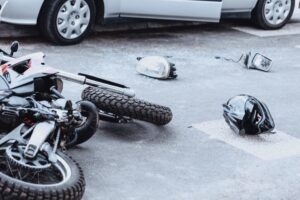
- Montana product liability law under MCA § 27-1-719 may hold a manufacturer, wholesaler, or retailer liable when a defective bicycle part causes or worsens a crash.
- A product liability claim does not require proof that the seller was negligent, but the claim still must show the product was defective and unreasonably dangerous, that the seller was in the business of selling it, and that it reached the user without substantial change.
- Three categories of defect may apply to bicycle parts: design defects, manufacturing defects, and failure-to-warn defects.
- Preserving the failed bicycle component and all related packaging, receipts, and maintenance records is critical to proving a defective bike part claim.
- A defective part claim may exist alongside a standard negligence claim against a driver, meaning more than one party may owe compensation for the same crash.
How Montana Product Liability Law Applies to Bicycle Crash Claims
Montana's product liability framework differs from a standard negligence claim in one fundamental way: the injured person does not need to prove that the seller acted carelessly.
Under MCA§ 27-1-719, a seller who places a product into the stream of commerce in a defective condition that makes it unreasonably dangerous may be held strictly liable for the physical harm that results.
What "Defective Condition Unreasonably Dangerous" Means for Bicycle Parts
A bicycle component meets the “defective condition unreasonably dangerous” standard when it contains a defect that makes it more dangerous than an ordinary rider would reasonably expect.
For example, a set of brake calipers that fails under normal stopping force, a carbon fork that fractures during routine riding, or a quick-release skewer that loosens spontaneously during a ride may each qualify.
The question is not whether the part eventually wore out through years of use. The question is whether the part failed in a way that a properly designed, properly manufactured, and properly labeled product would not have.
The Product Must Reach the User Without Substantial Change
MCA § 27-1-719 requires that the product reach the user or consumer without substantial change from the condition in which it was sold. Bicycle parts are frequently assembled, adjusted, and maintained after purchase, making this key in Montana bike defect claims.
If the defective component was installed by the original manufacturer or retailer and remained in its original condition at the time of the crash, this requirement is typically met. If the part was substantially modified after sale, the analysis becomes more complex and may require testimony from an engineering or product design professional.
What Counts as a Defective Bike Part Under Montana Law
Three recognized categories of defect apply to defective bicycle part claims in Montana: design defects, manufacturing defects, and failure-to-warn defects. Each category describes a different way a bicycle component may have been unreasonably dangerous when it reached the rider.
Not every bicycle component that breaks during a crash was defective. Parts wear out, riders push equipment beyond intended limits, and maintenance lapses may contribute to failures.
Montana product liability law distinguishes between a part that failed because of a defect and a part that failed for other reasons.
Bicycle Design Defects
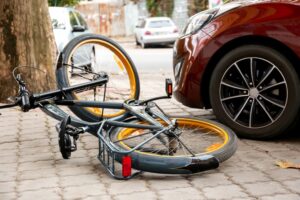
A design defect exists when the entire product line is flawed because of a choice made during the design process.
Every unit produced according to that design carries the same risk. A bicycle fork designed with insufficient material at a critical stress point, a brake lever mechanism that allows the cable to slip under predictable hand pressure, or a wheel hub geometry that causes spoke fatigue under normal riding loads may each reflect a design defect, which is among the recognized causes of bicycle accidents.
The flaw is in the blueprint, not in any single unit.
Bike Manufacturing Defects
A manufacturing defect occurs when a specific unit departs from the intended design during production. The design itself may be sound, but something went wrong during fabrication, assembly, or quality control.
Common examples in bicycle components include the following:
- A frame weld that contains voids, cold joints, or insufficient penetration, weakening the joint below the designed load capacity.
- A brake rotor machined to incorrect tolerances, causing uneven braking force or premature failure under normal stopping pressure.
- A tire with a sidewall inconsistency that creates a weak point prone to blowout at standard inflation pressures.
- A carbon fiber handlebar with a layup flaw that concentrates stress in a localized area, leading to sudden fracture during a ride.
A manufacturing defect claim focuses on the specific unit that failed, not the broader product line. The key evidence is the failed part itself, which is why preserving the component after a crash matters so much.
Failure to Warn Defects
A failure-to-warn defect arises when a product lacks adequate instructions or warnings about risks that the manufacturer knew or reasonably should have known about. A bicycle component sold without weight-limit warnings, torque specifications for critical fasteners, or instructions for periodic inspection of high-stress areas may carry a failure-to-warn defect.
Even a well-designed and properly manufactured part may be considered defective if the absence of a necessary warning contributed to the crash.
Who May Be Liable for a Bicycle Accident Caused by a Defective Part in Billings?
Montana product liability law does not limit claims to the company that manufactured the defective component. The chain of distribution matters, and multiple parties along that chain may bear liability for a defective bike part accident.
Manufacturers
The company that designed and produced the defective bicycle component is the most direct target in a product liability claim. This may be the bicycle manufacturer, a separate component manufacturer that supplied the brakes, fork, wheels, or drivetrain, or a raw material supplier if the material itself was defective.
Many bicycle components are produced by third-party manufacturers and branded or integrated by the bicycle company, which means the investigation may need to trace the part back to its source.
Distributors and Importers
A distributor or importer that brought the defective product into the U.S. market or into Montana may also face liability under MCA § 27-1-719.
This is particularly relevant for bicycle parts manufactured overseas, where pursuing a claim directly against a foreign manufacturer may present jurisdictional and enforcement challenges. The domestic distributor or importer often becomes the practical target.
Retailers and Bike Shops
A Billings bike shop or national retailer that sold the bicycle or the individual component may bear liability as the final seller in the distribution chain. A retailer's liability under Montana strict product liability law does not depend on whether the shop knew about the defect.
The act of selling a defective product that was unreasonably dangerous at the time of sale may be enough.
A bike shop that also performed assembly, fitting, or maintenance on the bicycle may face additional negligence exposure if improper installation or adjustment contributed to the component failure. That analysis is separate from, and may run alongside, the strict liability claim against the same shop as a seller.
What Evidence Helps Prove a Defective Bicycle Part Caused the Crash?

A defective bike part claim in Montana relies on the physical evidence. Unlike a standard motor vehicle accident where fault often turns on witness accounts and traffic camera footage, a product liability case requires proof that the bicycle component itself was defective and that the defect caused or contributed to the crash. A defective product lawyer in Billings may use this evidence to establish liability against manufacturers, distributors, or retailers.
Preserve the Failed Component
The single most important step after a suspected bicycle equipment failure is preserving the defective part in the condition it was in after the crash. A snapped fork, a failed brake caliper, a blown tire, or a fractured handlebar is direct physical evidence of the defect.
If the part is discarded, repaired, or replaced before an attorney and a product liability professional can examine it, the foundation of the claim may be lost.
Gather Evidence Related to the Failed Component
Beyond the failed component, preserving related evidence strengthens a defective bicycle part claim. Key items to retain include the following:
- The original purchase receipt, warranty documentation, and any product registration records for the bicycle or the specific component.
- All packaging, labels, instruction manuals, and warning materials that accompanied the product at the time of sale.
- Maintenance records, service receipts from any bike shop that worked on the bicycle, and personal logs of component replacements or adjustments.
- Photographs of the failed part, the crash scene, the bicycle's overall condition, and any visible damage to the component at the point of failure.
Together, these items help establish the product's history from sale through failure and may demonstrate that no substantial change occurred between purchase and the crash.
Expert Analysis and Testing
Defective bicycle part claims may require testimony from engineers, metallurgists, or product design professionals who can examine the failed component and identify the specific defect.
Fractography, the study of fracture surfaces, may reveal whether a metal part failed due to a manufacturing flaw, a fatigue crack that propagated from a stress riser, or an impact that exceeded the part's design capacity. Material testing may identify whether the alloy or composite used in the component met the manufacturer's own specifications.
This type of expert analysis distinguishes between a part that failed because of a defect and a part that failed because of wear, misuse, or external forces unrelated to any product flaw.
Medical Records Linking Injuries to Equipment Failure
A defective bike part claim requires proof that the defect caused or contributed to the injuries. Medical records that document the nature and timing of injuries, the mechanism of harm, and the treatment required create the link between the equipment failure and the physical consequences.
When a crash involves both a defective part and a negligent driver, medical evidence may also help allocate which injuries resulted from which cause.
Can a Claim Still Exist If the Bicycle Was Used or Modified?
Montana's product liability statute requires that the product reach the user without substantial change from the condition in which it was sold. A bicycle that was purchased used, assembled at home, or modified with aftermarket parts raises questions about whether this requirement is met.
Used Bicycles
Buying a used bicycle does not automatically bar a product liability claim. If the defective component was original to the bicycle and remained unaltered at the time of the crash, the claim may still be viable against the original manufacturer or any seller in the distribution chain.
The challenge is proving the part's condition and history, which makes purchase documentation and maintenance records especially valuable.
Aftermarket Parts and Home Modifications
Installing an aftermarket component or modifying a stock part changes the analysis. If the modification itself caused the failure, the original manufacturer may argue that the product was substantially changed after sale. If the defect existed in the original component independent of the modification, liability may still apply.
The distinction could require expert examination of the failed part and a detailed understanding of what was changed, when, and by whom.
Common Questions About Billings Defective Bicycle Part Claims
What if I am not sure whether a defective part or driver negligence caused the bicycle crash?
Many bicycle accidents involve facts that point in both directions at once. A cyclist whose brakes failed moments before a collision with a turning vehicle may have claims under both product liability and driver negligence theories.
An attorney may arrange for expert inspection of the bicycle components while simultaneously investigating the driver's conduct. Identifying the right legal theory, or combination of theories, depends on what the evidence reveals.
Does Montana place a time limit on defective bicycle part claims?
Montana's statute of limitations for product liability claims generally follows the same three-year deadline that applies to personal injury actions under MCA § 27-2-204. The clock typically starts on the date of the crash.
Montana’s filing deadlines can be fact-specific, so consulting an attorney promptly after a suspected equipment failure helps protect your claim when filing a claim.
May a product liability claim cover injuries that a defective part made worse but did not directly cause?
A defective bicycle component that did not cause the initial crash but worsened the injuries may still support a product liability claim. A personal injury attorney in Billings may evaluate how the defective component contributed to the severity of harm. A helmet that failed to meet impact standards, a handlebar that fractured on impact and caused additional lacerations, or a seatpost that collapsed and changed the rider's position at the moment of collision may each have contributed to the severity of harm.
What if the defective bicycle part was subject to a recall before the crash?
A manufacturer's recall of a defective bicycle component may serve as evidence that the company was aware of the defect before the crash occurred. However, a recall alone does not automatically establish liability in a specific case, even though defective components are among the common causes of bicycle accidents.
The injured cyclist must still demonstrate that the recalled defect caused or contributed to the crash and resulting injuries. Whether the rider received notice of the recall, and whether the retailer or manufacturer took adequate steps to notify affected buyers may also be relevant factors in the claim.
May a defective bike part claim involve injuries to a passenger or bystander, not just the rider?
Montana product liability law is not limited to the person who purchased or operated the bicycle. A child riding in an attached seat, a pedestrian struck by a cyclist who lost control due to a brake failure, or another rider involved in a multi-bike collision caused by a component defect may each have a basis for a product liability claim.
Protecting a Defective Bike Part Claim After a Billings Crash

A bike crash caused by a defective part can create unique legal challenges beyond a standard traffic accident. Manufacturers, distributors, or retailers that placed the faulty component in the Billings market may owe compensation for resulting injuries.
Preserve the failed part, packaging, and purchase records to protect your claim. Yellowstone Law offers free consultations and works on contingency—so you pay nothing unless compensation is recovered.
Call (406) 606-6787 to speak with a Billings bicycle accident lawyer about your claim.