
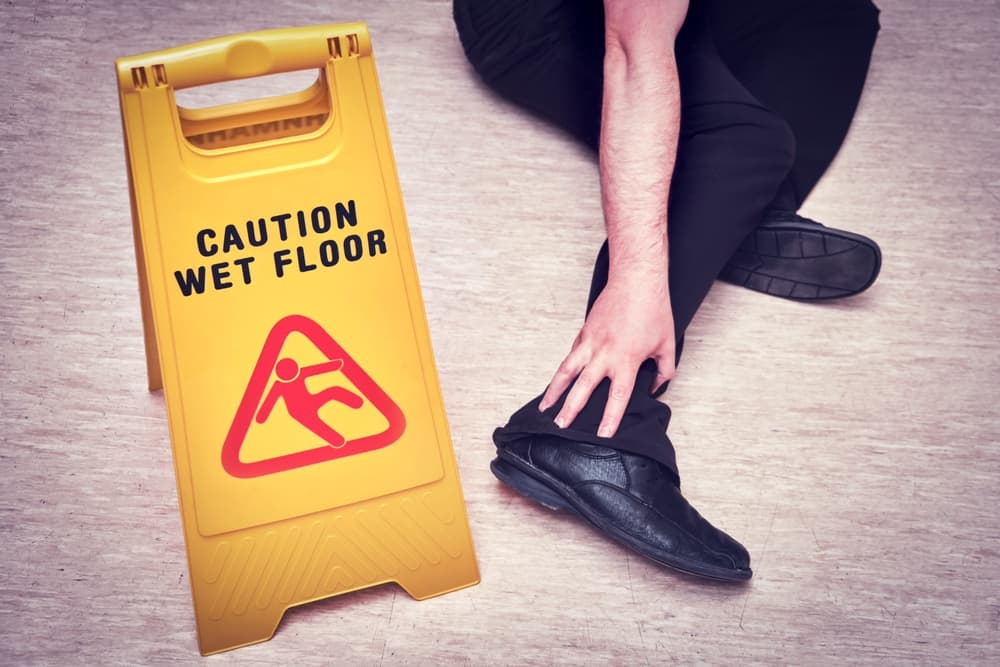
Slip and fall accidents may seem like simple mishaps, but they send more than one million people to the emergency room every year in the United States, according to recent estimates.
While many of these accidents result in minor bruises, others cause serious injuries, including broken hips, spinal cord trauma, and traumatic brain injuries. What many people don’t realize is that slip and fall accidents are often preventable and would not have happened had property owners taken measures to ensure their properties were safe.
If you’re wondering whether you can file a slip and fall accident lawsuit, the answer often depends on whether the owner or manager of the property failed to fix a hazard they should have known about. These cases fall under the area of law known as “premises liability.” A qualified slip and fall lawyer can evaluate what happened and help you determine whether you have grounds to pursue legal action.
SCHEDULE FOR A FREE CASE EVALUATION
Not every fall leads to a lawsuit. To take legal action, your fall must have been caused by a dangerous condition that the property owner failed to fix or warn you about in a reasonable amount of time. In legal terms, this falls under the area of premises liability, a body of law that defines a property owner’s duty to keep their premises reasonably safe for guests and visitors.
Slip and fall claims are personal injury cases that focus on whether the fall could have been avoided through reasonable property maintenance. That’s what makes these cases different from everyday stumbles or clumsiness. If you were harmed due to someone else’s carelessness with their property, you may have a valid legal claim.
 Slip and fall accidents are often dismissed as minor incidents. But the injuries they cause can be life-changing, especially for older adults or individuals with pre-existing conditions. These aren’t just bruised egos and scraped knees. Many victims suffer injuries that require surgery, rehabilitation, or permanent changes in lifestyle.
Some of the most serious injuries linked to falls include:
Beyond the immediate medical bills, these injuries often result in lost income, physical therapy, emotional trauma, and lifestyle disruptions. That’s why documenting the extent of harm is such an important part of pursuing compensation.
Property owners don’t always maintain safe environments, and even a small oversight can create giant risks. Certain conditions are known to increase the chance of falling, especially in high-traffic areas or poorly lit spaces.
Some commonly overlooked hazards that contribute to slip and fall accidents include:
These conditions often show up in grocery stores, parking lots, apartment complexes, and office buildings. The central issue in legal cases is whether the hazard was preventable and whether the property owner failed to fix it or provide adequate warning within a reasonable timeframe.
Property owners aren’t the only ones who may be liable in a slip and fall claim. In many cases, the responsible party is a manager, business tenant, maintenance company, or even a local government entity. The person or entity in charge of the property at the time of the fall is often the one with the legal obligation to fix the hazard.
Here are a few examples of who might be liable:
Determining liability isn’t always straightforward, especially when multiple parties are involved. A lawyer can help investigate which party had control over the property and whether they took reasonable steps to protect the public.
 For a slip and fall claim to succeed, your legal team must prove four essential elements:
It’s not enough to say you fell and got injured. The claim must demonstrate that the owner was aware or should have been aware of the danger but failed to take action. In some cases, surveillance footage, maintenance records, or witness statements can make the difference between a strong claim and one that is ultimately dismissed.
The rules for filing slip and fall lawsuits vary by state. Some states give you two years to sue. Others follow different rules for sharing blame. These legal rules can affect whether you’re allowed to file a claim and how much compensation you might receive.
Montana has two key laws that affect slip and fall cases: the statute of limitations and comparative fault rules.
Under Montana’s Statute of Limitations (Montana Code Annotated § 27-2-204), you have three years from the date of your injury to file a personal injury lawsuit. Missing this deadline can result in your case being dismissed — no matter how strong your evidence is.
There are exceptions in rare cases, such as when the injured person is a minor or lacks legal capacity. But in general, the sooner you speak to a lawyer, the better your chances of preserving your right to sue.
Montana uses a modified comparative negligence system. This means you can still recover compensation even if you were partly at fault, as long as your share of fault is less than 51%. However, your total compensation would be reduced by the percentage of fault you bear for the accident.
Insurance companies often use this rule to argue that you were careless. A lawyer can push back by gathering evidence and challenging unfair blame.
Some injuries, like concussions or internal damage, may not show immediate symptoms but can become serious if left untreated. Seeking medical attention promptly, even if you feel okay, can prevent certain injuries from becoming major problems. That same medical checkup will also link your injuries to the accident, which becomes a necessary part of a legal claim.
Once your immediate medical needs are addressed, there are a few other steps that can help protect your ability to bring a legal claim later.
Taking these steps doesn’t guarantee a specific outcome, but it does make it easier for your lawyer to build a strong, evidence-backed claim that reflects the full impact of your injury.
 Falling on unsafe property can impact your life in ways that go far beyond physical pain. Medical treatment, lost income, and changes in daily routines can pile up quickly. A successful slip and fall lawsuit can help recover financial compensation for these losses.
Damages in a premises liability case typically fall into two categories:
In rare cases where the property owner’s conduct was extremely reckless or malicious, punitive damages might be awarded to deter similar future behavior. However, these are less common and depend on specific evidence.
Slip and fall claims often come down to the quality of the evidence and the legal team’s ability to present it clearly. A seasoned lawyer knows what to look for and how to connect the dots in a way that supports your claim. Here’s how they typically approach the process:
The first step is identifying and preserving evidence. Your legal team may visit the scene, obtain security footage, request maintenance logs, and speak with people who saw the incident. Acting quickly is essential, as some stores and other venues erase video footage within days.
Your injuries must be directly linked to the fall. Medical records help demonstrate this connection. A lawyer may also look at previous complaints about the same hazard or building code violations that show a pattern of neglect.
Most property owners carry liability insurance. But insurers often work to limit payouts. A lawyer handles communications, presents the evidence persuasively, and pushes back against lowball offers, freeing you to focus on recovery.
What if there were no witnesses to my fall?
You can still file a slip and fall claim even if no one else saw the accident. Many successful cases rely on other types of evidence, such as surveillance footage, medical records, photos of the hazard, or property maintenance logs. A lawyer can help gather and present this evidence to support your claim.
Can I file a claim if the hazard was obvious?
Yes, but it may be more difficult. Property owners often argue that a hazard was “open and obvious,” meaning you should have seen and avoided it. However, each case depends on the specific circumstances. Lighting, distractions, or urgency may factor in. A lawyer can assess whether the property owner still failed to meet their legal duty of care.
How much does it cost to hire a slip and fall lawyer?
Most personal injury lawyers, including slip and fall attorneys, work on a contingency fee basis. That means they only get paid if you win or settle your case. You won’t owe anything upfront, and fees are typically taken as a percentage of the final recovery.
Can I sue a government agency for a slip and fall?
Yes, but the process is different. Claims against government entities usually have shorter deadlines and strict notice requirements. In Montana, you typically must file a formal claim with the agency before pursuing a lawsuit. A lawyer can help you follow the correct procedures.
What if I didn’t go to the doctor right away?
You can still file a claim, but a delay may make it harder to prove that your injuries were caused by the fall. It’s important to seek medical attention as soon as symptoms appear and to document everything. A lawyer can help explain and support any gaps in care.
Falls may happen quickly, but the consequences can last for years. If you’ve been injured due to unsafe property conditions in Montana, you have the right to explore legal action. At Yellowstone Law, our team of experienced and trial-proven personal injury lawyers has helped thousands of people recover after serious injuries. We know how to hold property owners accountable, and we fight to maximize your recovery.
With more than 81 years of combined experience and over $150 million recovered for injury victims in the Billing area, our team is ready to help you pursue full and fair compensation. Call (406) 259-9986 or contact us online to schedule your free consultation today.

At Colton Holm Law Firm, we look forward to learning how we can help you resolve your legal concern.Call us today: (406) 259-9986